
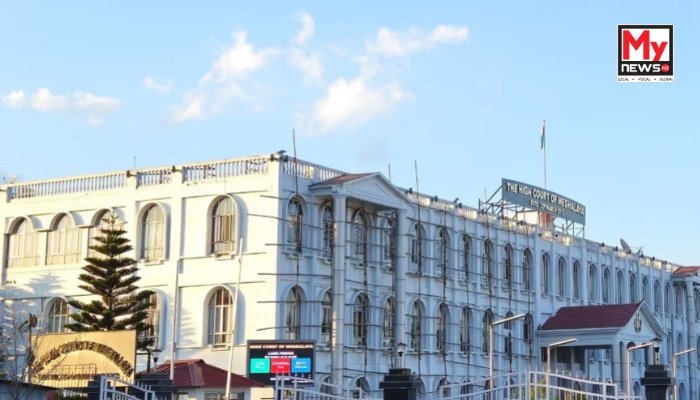

Shillong: In a significant move aimed at fostering communal harmony and equitable access to burial and cremation spaces, the Meghalaya High Court has widened the scope of a public interest litigation (PIL) originally concerning crematorium facilities. The expansion comes after the court took note of similar disputes over cemetery sharing among various Christian denominations in the state.
The PIL, initially filed by Re-Seng Khasi Crematorium, had focused on the ongoing reluctance among Khasi-Jaintia and Hindu religious communities to share cremation grounds, a pressing issue due to limited crematoria across Meghalaya. In response, the court had earlier appointed an amicus curiae in April and involved district magistrates to mediate dialogue and explore collaborative solutions.
By May, the bench, comprising Chief Justice IP Mukerji and Justice W Diengdoh, acknowledged “some settlement had been reached between the two communities,” marking a hopeful shift in what had long been a source of inter-community tension. These developments were seen as an encouraging sign of cooperation and willingness to resolve disputes amicably.
However, fresh concerns surfaced during recent hearings when the court was informed of discord within Christian communities over the use of cemeteries. The issue reportedly involves various denominations unwilling to share burial spaces, mirroring earlier issues faced among other religious groups.
In light of this, the court has decided to bring the Khasi Hills, Jaintia Hills, and Garo Hills Autonomous District Councils into the proceedings as party respondents. This inclusion aims to broaden the solution-building process and ensure all stakeholders contribute to resolving space-sharing disputes fairly and sustainably.
During the session, Meghalaya’s Additional Advocate General K. Khan and the appointed amicus curiae reported continued progress and requested time to file detailed submissions. The court granted this, instructing both to submit either a joint or separate status report by July 1.
The matter has been scheduled for further hearing on July 3, with the court emphasizing that all three autonomous district councils must “cooperate with the State and the committee for implementation of the order.”
This development marks a proactive judicial approach to addressing underlying inter-community and intra-faith tensions in Meghalaya, with the court playing a central role in guiding dialogue and ensuring inclusive solutions across religious lines.
Read More: Local Guide’s Testimony Unravels Shocking Honeymoon Murder Conspiracy in Meghalaya