
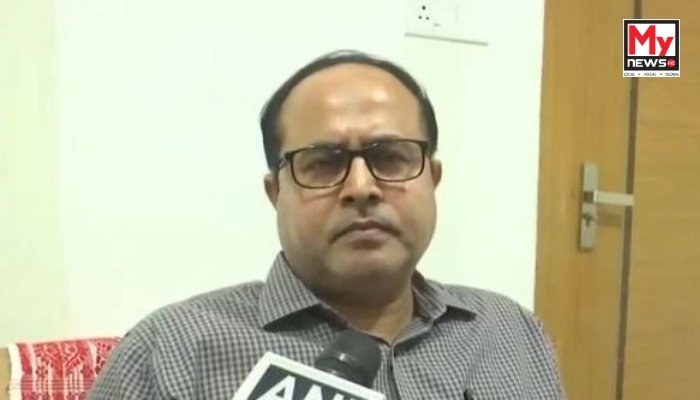

Guwahati: The All India United Democratic Front (AIUDF) has declared its intent to go solo in the upcoming Assam Assembly elections, announcing that it will contest 35 out of the 126 seats. This decision marks a departure from their strategy in the 2021 elections, where they were part of a grand alliance with the Congress, BPF, and Left parties.
AIUDF MLA Aminul Islam, addressing reporters, confirmed the party’s resolve to fight independently this time. He revealed that party MLAs had recently discussed this approach with AIUDF chief Badruddin Ajmal, and preparations for the polls are already underway. However, Islam also stressed the importance of a united opposition against the BJP, stating, “All opposition parties should jointly fight against the BJP… Congress or any other party does not have that kind of support to defeat the BJP alone.”
When pressed on the possibility of a future alliance with the Congress, Islam reiterated that the AIUDF would “definitely consider it” if a proposal were to come from the grand old party. He clarified, “Right now, we are not thinking of any alliance. But all opposition parties should unite to take on the BJP.” This statement leaves a door ajar for potential pre-poll realignments, despite the current solo stance.
Meanwhile, in a separate development from the state cabinet, significant decisions were greenlighted on Thursday. The remuneration for Gaon Pradhans is set to increase from Rs 9,000 to Rs 14,000 per month, effective from October 1. This hike acknowledges the growing responsibilities of these village heads and aligns with the Budget announcement for 2025-2026. The enhanced remuneration will also extend to Gaon Pradhans in Forest Villages.
The cabinet further approved the implementation of the ‘Gaja Mitra Scheme’ in eight districts severely affected by human-elephant conflict: Goalpara, Udalguri, Nagaon, Baksa, Sonitpur, Golaghat, Jorhat, and Biswanath. This scheme aims to form community-based voluntary monitoring and rapid response teams in the affected villages. Each team will comprise eight local members and operate in 80 identified locations for a period of six months, specifically during the peak human-elephant conflict season which typically coincides with paddy cultivation.
Read More: Manipur Braces for Demographic Reckoning Amidst Influx Fears