
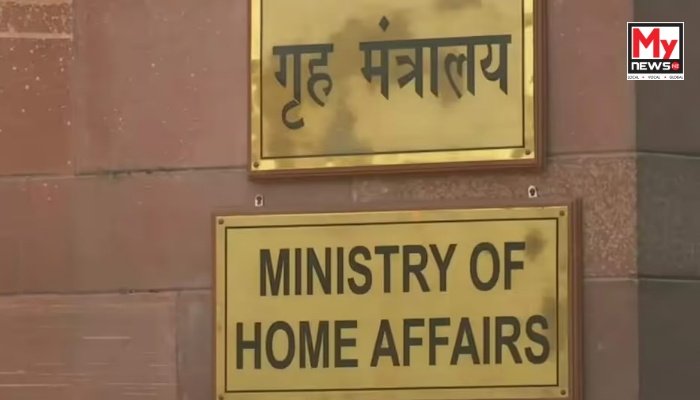

National: In a swift response to the devastating terror attack near Pahalgam that claimed 26 civilian lives and left over 30 injured, a high-level security meeting was convened at the Ministry of Home Affairs in New Delhi on Thursday morning. The closed-door session brought together top officials, including Home Secretary Govind Mohan, Intelligence Bureau Director Tapan Deka, and Research and Analysis Wing Chief Ravi Sinha, reflecting the gravity of the situation.
Held just two days after gunmen opened fire on a group of tourists at Baisaran, a scenic spot roughly five kilometres from Pahalgam in Jammu and Kashmir’s Anantnag district, the meeting signaled an urgent recalibration of India’s counter-terrorism approach. Though the official agenda was not made public, the presence of the nation’s top intelligence and security leadership indicates a deep focus on reinforcing internal security and operational preparedness in light of the brutal attack.
The Centre’s broader security response was already underway, with Prime Minister Narendra Modi chairing a Cabinet Committee on Security (CCS) meeting a day earlier. The government’s subsequent suspension of the 1960 Indus Waters Treaty, the closure of the Attari checkpost, and the open attribution of the attack to Pakistan-backed militants marked one of the strongest diplomatic reactions in recent memory. The move has sent a clear message about India’s evolving policy of direct accountability in cross-border terrorism incidents.
As investigations continue, five suspects have been identified, including three Pakistani nationals—Asif Fauji, Suleman Shah, and Abu Talha—whose sketches were released to aid in their capture. Two local collaborators, Adil Guri and Ahsan, have also been named. The National Investigation Agency (NIA) is expected to formally take over the probe, although a team led by a DIG-rank officer is already assisting state authorities at the site of the attack.
Responsibility for the massacre has been claimed by The Resistance Front (TRF), a known proxy of the banned terrorist outfit Lashkar-e-Taiba. The assault is now being described as the most lethal attack on civilians in Jammu and Kashmir in more than two decades, reigniting national outrage and drawing global attention to the region’s security landscape.
Union Home Minister Amit Shah, who visited Srinagar shortly after the attack, reassured the public that justice would be swift. “The perpetrators will not be spared,” he declared, as intensified security deployments were rolled out across the Kashmir Valley. The terrain surrounding Pahalgam has since been placed under heightened surveillance, with armed forces maintaining a high state of alert.
The incident occurred on Tuesday afternoon, when terrorists descended from nearby hills and indiscriminately opened fire on tourists, catching them off guard. Rapid response teams carried out helicopter evacuations of the injured, but the scale of the tragedy was already unfolding by the time rescue operations began.
With Kashmir experiencing a renewed tourism boom and the 38-day Amarnath Yatra set to commence on July 3, the attack has cast a long shadow over the region’s fragile sense of calm. Concerns are mounting over the safety of pilgrims and visitors, prompting authorities to reevaluate security protocols for upcoming events of national and religious importance.